Inefficiencies are the bane of procurement. Bottlenecks, communication siloes, and slow manual processes can snowball into missed deadlines and higher operational costs—which in turn lead to frustrated employees and dissatisfied customers.
Mobile procurement leverages remote devices and real-time data sharing to streamline workflows, enhance stakeholder collaboration, and facilitate faster decision making. It provides a much-needed boost to operational efficiency by automating key processes and improving accessibility for users.
In this guide, you’ll learn what mobile procurement is, how it works, and the benefits of leveraging mobile technology in procurement.
What is mobile procurement?
Mobile procurement is the use of mobile devices, such as smartphones, tablets, and smartwatches to improve the efficiency and accessibility of various procurement processes. It enables remote management and notifications for daily sourcing, purchasing, and invoice processing activities.
Mobile procurement technology allows you to streamline workflows across different procurement functions via remote access and workflow automation. Staff can check and update the status of purchase requests, approve invoices, and manage orders directly from their mobile devices—without relying on manual paperwork or communications.
Imagine an operations manager has finished her shift and gone home. Her team member calls regarding the status of a specific purchase requisition. Rather than waiting for an email response from her senior buyer, she can access the company’s mobile procurement system directly from her phone and find out the status in seconds, saving the organization time and money.
Key features of mobile procurement
Mobile procurement comes in many forms, from AI-powered procure-to-pay software like Vroozi to basic web apps accessed through a mobile browser. Across platforms there are several common features you can expect to find. These include:
- Real-time updates: Receive automated notifications and alerts for pending approvals, order status updates, and shipping notifications.
- Mobile purchase order (PO) management: Create and send purchase orders to suppliers, and track the status of active POs.
- Purchase order approvals: Review and approve Purchase Requests and invoices in real time.
- Real-time analytics: Access live performance dashboards and generate reports.
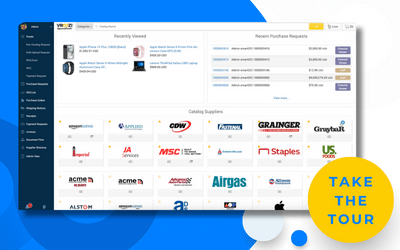
- Mobile supplier management: View supplier catalogs, review contract pricing, compare prices, and update supplier information. Simplify supplier integration and communication with enhanced vendor collaboration.
- Mobile communications: Collaborate with other departments and stakeholders.
- Mobile payment processing: Accept and manage payments, generate payment links, and view real-time payment history.
- Systems integration: Sync procurement data with other business systems, such as SAP, IBM, and Microsoft Dynamics.
Pro Tip: If you’re planning to invest in mobile procurement technology, first identify which features support your business goals and look for a solution that offers the functionality you need.
6 benefits of mobile procurement
Mobile procurement systems offer several advantages for organizations:
- Improved organizational agility
- Enhanced accessibility for remote workers
- Reduced costs and inefficiencies
- Better adherence to policies and regulations
- Greater organizational visibility
- Strengthened stakeholder collaboration
Let’s explore these in more detail.
1. Improved organizational agility
Mobile procurement gives companies more flexibility to respond faster to internal demands, supply chain disruptions, and market changes.
Stakeholders can reduce delays in the purchasing process by submitting and approving requests from anywhere. This improved agility also helps organizations seize time-sensitive opportunities, such as supplier discounts and promotions.
2. Enhanced accessibility for remote workers
Mobile procurement enables employees to make purchasing decisions on the go by providing anytime, anywhere access for faster completion of tasks. Remote-based workers can access supplier information, create and approve requests, and check order statuses without commuting to the office.
This flexibility helps maintain operational continuity while improving productivity by streamlining administrative activities and allowing staff to perform some functions without traveling between locations.
3. Reduced costs and inefficiencies
Enhanced productivity, achieved through accelerated workflows and automated task completion, allows organizations to get more work done faster. Faster processes mean fewer administrative costs and a reduced risk of costly delays.
Mobile procurement automation can also help reduce your reliance on spreadsheets to mitigate the risk of human errors.
4. Better adherence to policies and regulations
Many mobile procurement solutions feature built-in compliance tools for enforcing organizational procurement policies and adhering to regulatory requirements.
Automated processes help ensure key procurement steps aren’t missed while guiding users to adhere to spending limits, approval workflows, and sourcing from approved vendors. Vroozi Marketplace further strengthens compliance by centralizing access to contracted products and services, enabling users to easily purchase from pre-negotiated catalogs and preferred suppliers. Real-time alerts and automated audit trails enhance transparency and accountability, ensuring policy adherence while flagging potential violations.
Learn More: Mobile Procurement Evaluation Guide
5. Greater organizational visibility
Mobile access to real-time data offers a clearer picture of the current status of purchase orders, supplier performance, pending approvals, and budget. Furthermore, mobile procurement systems often feature real-time analytics (by way of dashboards and live reports) that provide actionable insights into spending patterns and operational performance.
For example, Vroozi’s SpendTech® platform helps procurement teams analyze current spend against historical data, track purchase requests, and evaluate catalog spending against total procurement spend.
This wider visibility grants organizations the ability to quickly identify and address inefficiencies, mitigate risks, and spot opportunities. By providing a holistic view of procurement performance, it also supports better financial forecasting and decision making for stakeholders.
6. Strengthened stakeholder collaboration
Mobile procurement platforms can enhance stakeholder engagement through instant notifications and in-app communication. This enables internal stakeholders and suppliers to collaborate on purchasing processes in real time, so issues can be addressed quickly and effectively.
How mobile procurement works
Mobile procurement connects remote and field-based workers with an organization’s procurement data, enhancing accessibility and empowering faster decision making for stakeholders.
The mobile procurement implementation process typically looks like this:
- Planning for implementation: Analyze your existing procurement processes and define business objectives based on inefficiencies and bottlenecks. Engage with stakeholders to ensure alignment on priorities, define metrics for success, then set a clear budget and timeline for implementation.
- Integrating new systems: Identify your integration needs for digital processes and select the appropriate integration methods (for example, APIs). Sync data and conduct data cleansing to eliminate errors or duplicate data.
- Testing and validation: Run tests to validate the functionality and accuracy of data sharing between integrated systems. In particular, ensure that master data changes are synched timely and procure-to-pay documents provide systems with timely updates.
- Staff training and documentation: Develop training programs, user guides, and standard operating procedures for using the new digital processes
Once mobile procurement software has been implemented in your organization, monitor the performance of your system and track it against the performance metrics defined during the planning phase. Continuously review and optimize how you leverage the technology to ensure you’re always getting the most out of your implementation.