In the recent past, tax authorities lost significant tax money by relying on paper invoices to keep track of business transactions. Global tax evasion was rife as governments relied on data stored and reported by the very businesses they sought to audit.
To address the inefficiencies of traditional invoice reporting and strengthen local economies, more and more countries are now introducing mandates requiring organizations to report business transactions through electronic invoices (e-invoices).
E-invoicing compliance requires a different approach. To prevent disruption and ensure correct tax reporting, today’s businesses must have the right systems and processes in place—implemented in a way that doesn’t interfere too much with daily business practices.
What is e-invoicing compliance?
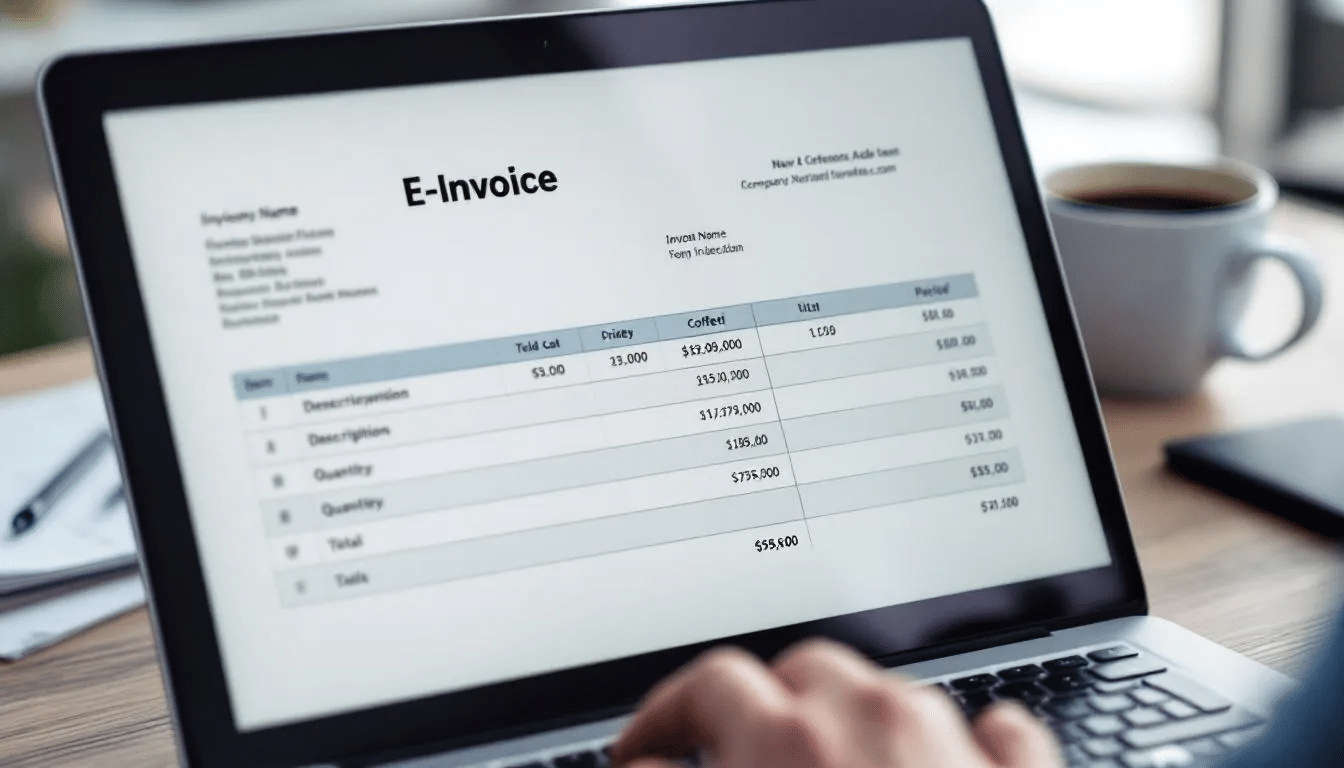
E-invoicing compliance refers to a buyer or supplier’s adherence to the legal and technical requirements for sending, processing, receiving, and storing electronic invoices. These conditions are also known as e-invoicing mandates.
E-invoicing mandates vary between regions. They’re decided by individual tax authorities in different countries and outlined within local legislation. The country where an e-invoice is issued determines which requirements apply to that invoice.
E-invoicing compliance often involves:
- Using specific, standardized e-invoice formats
- Establishing invoice audit trails that meet regulatory standards
- Submitting e-invoices to local tax authorities for approval before issuance
- Reporting e-invoices to local tax authorities shortly after receipt
- Adhering to local regulations for what must be included in an e-invoice
Tax authorities frequently implement stricter regulations and update governement controls to ensure tax compliance. Presently, the European Committee for Standardization (CEN) is working on a revision of the European standard on e-invoicing (EN 16931). For global organizations, this means e-invoicing compliance needs to become a top priority in 2025.
Continuous transaction controls (CTCs) and e-invoicing compliance

E-invoicing mandates are often paired with continuous transaction controls (CTCs).
CTCs are invoice reporting models or systems, put in place by governing tax authorities, that require real-time—or near real-time—reporting of business transactions through e-invoices. These systems allow tax authorities to monitor business transaction data and enforce timely adherence to tax regulations.
CTC systems automatically collect the data as transactions happen by establishing an automated connection between government systems and an organization’s business software or data management system.
To comply with CTCs and e-invoicing mandates, organizations must transition from the traditional tax-reporting method, whereby auditors collect transaction data long after transactions occur (known as the post-audit invoicing model), to a more modern and secure digital reporting framework.
How e-invoicing compliance impacts global organizations
Correctly handling and reporting on Value Added Tax (VAT) and other taxes reduces your risk of incurring fees or penalties from local governing tax authorities. E-invoicing compliance presents new challenges for global sellers and buyers, including:
- Increased risk of penalties: Businesses face more potential fines, payment delays, and blocked penalties for not complying with local tax regulations.
- Complex administrative changes: Global traders must be across an increasingly diverse set of local tax regulations, e-invoicing requirements, and frequent updates.
- Transaction data management: To comply with e-invoicing mandates, businesses must implement the right systems and integrations to ensure timely data flow with local tax authorities.
While some countries still use traditional auditing models, many have already adopted CTC systems—and the trend towards tighter digital controls does not appear to be slowing down. As a result, global organizations should prepare for an increasingly more digital invoice reporting landscape.
Key factors of e-invoicing compliance
E-invoicing compliance requirements vary from region to region. To ensure adherence to the growing list of conditions, it’s vital to understand the specific requirements of the countries you are buying or selling from. Here are some of the most common conditions for e-invoicing compliance.
Adherence to standardized formats
Many jurisdictions now require specific structured formats for e-invoices. These ensure that invoices can be viewed, processed, and validated by relevant tax authorities and trading partners.
Some examples of standardized e-invoice formats and where they’re used:
- Peppol (EU, Australia, Canada, New Zealand, Singapore, and USA)
- FacturaE (Spain)
- FatturaPA (Italy)
- Svefaktura (Sweden)
- UN/EDIFACT, XML, EANCOM and ODETTE (UK)
- EHF (Norway)
- ISDOC (Czechia)
- ZUGFeRD, XRechnung (Germany)
- UBL-OHNL (Netherlands)
- CFDI (Mexico)
Failure to comply with the correct format of the country where an e-invoice is issued can lead to penalties and payment delays.
Secure electronic signatures
Digital signatures, or e-signatures, function as a digital representation of handwritten signature and are a legally recognized way to signify consent or agreement with the terms stated within an e-invoice.
Electronic signatures are an e-invoicing compliance requirement for some regions, including the EU and Latin America, and are designed to verify the authenticity of invoices. They confirm the legitimacy of the issuer and act as proof an invoice has not been tampered with.
Timely submission to tax authorities
In many cases, e-invoices must be submitted to tax authorities for authorization before being issued to buyers. Some CDC and e-invoice compliance conditions require submission within a specific timeframe—for example, within 30 days in India. Failure to submit invoices fast enough can result in costly violations and delayed business processes.
Real-time reporting
Some CTC models have even stricter submission deadlines, requiring business transaction data to be submitted to the local tax authorities in real-time (or shortly after invoice issuance).
Real-time invoice reporting relies on compliant e-invoicing software—such as Vroozi—capable of integrating with government tax portals and sharing data as transactions occur. This helps tax authorities monitor e-invoices in real time, making it easier for them to prevent tax evasion.
Authenticity of origin
Verification of the invoice issuer’s identity helps tax authorities prevent fraud. Digital certificates and government portals are often used to validate the legitimacy of the source, maintaining origin authenticity and ensuring compliance with regulatory requirements.
Integrity of content
E-invoice content—details such as VAT numbers, product descriptions, and supplier information—must remain unchanged from the time an invoice is issued to when it is stored or audited. Integrity of content is often validated by cross-referencing previous invoices and purchase orders.
E-invoice storage
Business transaction data must typically be stored for a specified retention period. This can range from 5–10 years, and varies between regions. Invoices must be easily accessible for auditing purposes and stored in their original format.
In some jurisdictions, e-invoices must be stored locally. Others permit cloud-based and cross-border archiving so long as other criteria regarding accessibility and data security are met.
How to ensure compliance with e-invoice regulatory requirements
Complying with e-invoice mandates is both a legal necessity and a strategic best practice. According to a recent corporate tax report from Thomson Reuters, 57% of organizations indicated that compliance and regulatory adherence are now top strategic priorities.
1. Proactively monitor regional e-invoicing requirements
If you’re trading internationally, assessing the e-invoicing laws and regulations of the regions you buy and sell from is an essential process. This means regularly monitoring region-specific compliance requirements and deadlines, as well as which reporting model applies (for example, CDC or post-audit).
2. Audit your existing invoicing processes
Regularly review your current processes, systems, and data security practices to ensure they comply with e-invoicing regulatory requirements. Mandates and reporting models are frequently changing, so it’s important to establish agile internal processes capable of quickly adapting to new conditions and updates.
3. Align e-invoicing processes with tax regulations
Ensure that the content, security, accessibility, and format of your e-invoices comply with the regulations of the regions you’re trading with. Depending on the region, this could mean:
- Using secure electronic signatures orxchanging invoices via electronic data interchange (EDIs)
- Implementing real-time invoice monitoring and reporting systems
- Ensuring invoice content is secure and unchanged from sender to receiver
- Storing invoices in formats that are legible in both structured and readable formats
- Working with local certified providers to establish government integrations
To save time, establish an intentional workflow that ensures every invoice meets the conditions of the governing tax authority’s e-invoicing mandates.
4. Leverage compliant e-invoicing software
Implementing the right invoice automation software is critical for ensuring compliance and optimizing your e-invoicing process. Compliant e-invoicing software that can be securely integrated with government systems is a necessary solution for meeting the e-invoicing compliance requirements of many regions.
Vroozi, an inuitive invoice automation platform, seamlessly and securely connects with mandatory governmental tax systems. The software provides support for a wide range of region-specific e-invoice formats and standards, ensures e-invoice content conforms to legal requirements, and supports digital signatures, storage, and security requirements for region-specific e-invoicing.
5. Regularly train employees on your e-invoicing standards
Having the right systems and reporting processes in place means little if your staff are not following the correct procedures. Include specific education in your employee training around the steps teams must follow to ensure e-invoicing compliance—as well as how to correctly use any relevant software systems.
Simplify E-Invoicing Compliance with Vroozi

As governments continue tightening e-invoicing regulations, compliance isn’t optional—it’s essential.
Vroozi’s e-invoicing compliance features help ensure every invoice meets region-specific mandates—without adding complexity. With support for global invoice formats and validation workflows that align with clearance models, Vroozi helps you verify that invoice data matches what’s required by local government systems—keeping you compliant and audit-ready.
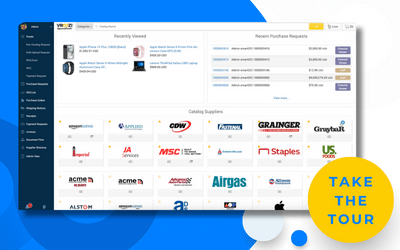
👉 Take the interactive product tour or schedule a personalized demo to see how Vroozi simplifies global e-invoicing compliance.