A Guide to ESG Procurement: Integrating ESG Criteria in Procurement Decisions
Business leaders are recognizing that procurement decisions extend far beyond cost and quality. Environmental, Social, and Governance (ESG) criteria now shape purchasing strategies across industries, driven by regulatory requirements, stakeholder expectations, and the pursuit of long-term value creation.
This shift represents a fundamental transformation in how organizations approach supplier relationships and purchasing decisions. Companies that integrate ESG in procurement processes build more resilient supply chains, strengthen their market position, and create sustainable competitive advantages.
The Shift to Responsible Procurement
Procurement has traditionally been focused primarily on cost, quality, and delivery speed. While these factors remain important, procurement has evolved into a strategic lever for advancing broader organizational goals. Today’s procurement teams actively contribute to sustainability initiatives, social responsibility objectives, and governance improvements.
This evolution reflects changing stakeholder expectations. Investors increasingly evaluate companies based on ESG performance, customers prefer brands that align with their values, and employees want to work for organizations that demonstrate social responsibility.
The Business Case for ESG Procurement
Integrating ESG into procurement is not just a matter of corporate social responsibility; it is a strategic business decision with tangible benefits:
- Enhanced Brand Reputation: A strong commitment to ESG can improve your brand image and attract customers who value sustainability and ethical practices.
- Increased Investor Interest: Investors are increasingly using ESG criteria to evaluate companies, and a strong ESG program can make your company more attractive to them.
- Improved Risk Management: By vetting suppliers for ESG compliance, you can mitigate risks related to environmental regulations, labor practices, and supply chain disruptions.
- Greater Innovation: Partnering with sustainable and innovative suppliers can lead to new products, services, and business models.
Common ESG Priorities in Procurement
Organizations typically focus on several key areas when implementing ESG criteria in procurement:
1. Lower Environmental Impact
Companies prioritize suppliers and products that reduce environmental footprints. This includes:
- Carbon footprint reduction through local sourcing and suppliers with strong environmental practices
- Sustainable materials that minimize waste and support circular economy principles
- Energy-efficient products that reduce long-term operational costs
2. Ethical Labor and Fair Trade
Social responsibility in procurement encompasses human rights, labor standards, and community impact:
- Fair labor practices ensuring suppliers maintain safe working conditions and fair wages
- Supply chain transparency to identify and address potential human rights violations
- Community development through suppliers that invest in local communities
3. Governance, Transparency, and Compliance
Strong governance ensures procurement processes meet regulatory requirements and organizational standards:
- Compliance monitoring to ensure suppliers meet legal and regulatory requirements
- Anti-corruption measures that maintain ethical business relationships
- Data security standards protecting sensitive information throughout the supply chain
Common Barriers to ESG Adoption in Procurement
Despite the clear benefits, organizations face several challenges when implementing ESG in procurement initiatives:
- Limited Visibility into Supplier ESG Performance
- Disconnected or Manual Procurement Processes
- Traditional ERP Systems Lack ESG Flexibility
How Vroozi Makes ESG in Procurement Easy
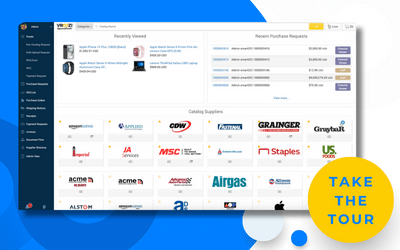
Vroozi’s intelligent procurement platform addresses these challenges by integrating ESG capabilities directly into procurement workflows. This integration makes sustainable purchasing decisions natural and automatic rather than requiring separate processes and manual oversight.
Smart Supplier Selection
Vroozi enables organizations to incorporate ESG criteria directly into supplier selection processes:
- Tag and filter suppliers by sustainability certifications, diversity status, and ethical practices
- Use Vroozi’s Supplier Directory to prioritize mission-aligned vendors and track their ESG performance
- Automated scoring systems that weight ESG attributes like sustainability certifications and DEI status alongside price, quality, and delivery terms
Green Product Discovery
The platform makes sustainable choices intuitive by highlighting environmentally friendly options:
- Highlight eco-friendly options directly in the Vroozi Marketplace with clear sustainability indicators
- Make sustainable choices accessible for buyers through easy-to-understand product attributes and certifications
- Product comparisons that include environmental impact alongside price and quality metrics
- Automated suggestions for greener alternatives to commonly purchased items
ESG Tracking and Reporting
Vroozi provides comprehensive visibility into ESG in procurement performance:
- Real-time reporting on green spend, supplier diversity metrics, and compliance status
- Dashboards to track progress on sustainability KPIs and organizational ESG goals
- Automated data collection that eliminates manual reporting and reduces administrative burden
Strategic Advantages for Enterprises
Organizations that successfully integrate ESG criteria into procurement realize significant strategic benefits:
1. Strengthen Supplier Relationships Through Shared ESG Goals
ESG-focused procurement creates deeper partnerships with suppliers who share similar values. These relationships often result in better service, innovation opportunities, and collaborative problem-solving that benefits both organizations.
2. Boost Brand Equity and Meet Stakeholder Expectations
Companies with strong ESG in procurement practices build stronger brand reputation and stakeholder trust. This enhanced reputation can lead to increased customer loyalty, better investor relations, and improved employee engagement.
3. Unlock New Revenue Through ESG-Driven Contracts and Partnerships
Many large organizations now require ESG compliance from their suppliers, creating new business opportunities for companies that can demonstrate strong ESG in procurement practices. This capability can differentiate organizations in competitive bidding situations and open doors to new markets.
Fast ESG Integration Without Disrupting ERP
One of Vroozi’s key advantages is its ability to enhance existing ERP systems without requiring costly replacements or extensive customizations:
- Vroozi Overlays Existing ERPs: The platform works seamlessly with leading ERP systems, including SAP ECC, SAP S/4HANA, Oracle, and Microsoft Dynamics. This overlay approach means organizations can add ESG capabilities without disrupting existing financial and operational processes.
- No Need to Re-engineer Your Tech Stack: Organizations can implement comprehensive ESG in procurement capabilities without major system changes. Vroozi integrates with existing workflows while adding the ESG tracking and reporting capabilities that legacy systems typically lack.
- Mobile-First Design Ensures High Adoption: The platform’s intuitive, consumer-like interface drives user adoption, ensuring that ESG policies and preferences are actually used in day-to-day purchasing decisions. High adoption rates are crucial for ESG success since policies only work when they’re consistently applied.
Transform Your Procurement Strategy Today
ESG integration in procurement is no longer optional for forward-thinking organizations. Companies that act now position themselves for long-term success, while those that delay risk falling behind competitors and failing to meet stakeholder expectations.
Vroozi’s intelligent procurement platform makes ESG integration straightforward and effective. Schedule a demo of Vroozi today to see how easy ESG in procurement can be when the right technology supports your goals.