Prevention is better than cure, and procurement is no different. Procurement risks can range from unexpected costs and inaccurate forecasts to slow manual processes and unmitigated supply chain disruptions.
Effective procurement risk management is essential for maintaining reliable purchasing and sourcing processes while ensuring your company stays compliant, competitive, and profitable.
Discover our top seven tips for successful procurement risk management, including actionable advice for implementing these strategies in your organization.
1. Regularly identify and analyze procurement risk
Proactively evaluating potential threats to your supply chain is key to effective procurement risk management. This helps you stay prepared to mitigate risks before they become unmanageable.
Use real-time analytics to monitor supplier performance against your target performance indicators, identify spending patterns and market trends to predict future risk, and quickly spot early warning signs of supply chain disruptions.
Evaluate both internal risks (process inefficiencies and data integrity) and external risks (supply chain disruptions, natural disasters, and geopolitical issues), then prioritize risks based on likelihood and potential impact using a risk matrix.
2. Build strong supplier relationships
Developing healthy relationships with your suppliers helps reduce your risk of unreliable delivery.
Clear contracts and due diligence go a long way in strengthening vendor relationships, but perhaps the most important qualities of a good relationship are communication and collaboration.
Some quick tips for establishing strong supplier relationships:
- Prioritize transparency: Maintain regular, transparent communication with your suppliers using digital collaboration tools. Platforms like Vroozi enable real-time interaction—such as order confirmations, disputes, and adjustment requests—helping both parties stay aligned and resolve issues early. This proactive, tech-enabled approach supports collaborative root cause analysis and minimizes friction across the procurement lifecycle.
- Make risk management a team sport: Collaborate with suppliers to identify and assess potential risks. Agree upon regular audits to ensure compliance and offer incentives for consistently reliable performance.
- Use clear contracts: Develop mutually beneficial contracts that clearly outline expectations and target metrics. Include a framework for resolution procedures that focuses on collaborative problem-solving rather than punitive actions.
Leverage technology to streamline the purchasing and invoicing process for both parties. The easier you are to work with, the better your vendor relationships will be. Use collaborative tools like Vroozi’s Supplier Portal to share real-time data, streamline the procurement process, and send important updates.
3. Diversify your supplier base
Regularly evaluate new vendors to mitigate the risks of working with a single supplier.
Unexpected challenges such as production delays, financial problems, and geopolitical instability are especially difficult to manage when you don’t have another supplier to fall back on. Reducing your dependency on a single vendor helps reduce the risk of disruption to your operations should one of your suppliers encounter these or other issues.
Supplier diversification also provides you with greater negotiating power for pricing, service levels, and lead times. However, it can mean fewer cost savings through economies of scale.
Organizations need to balance leverage and resilience—weigh the benefits of using multiple suppliers before committing, especially when dealing with specialized products.
4. Leverage procurement technology
Reliance on manual processes adds extra risks to your business that can be avoided with the right digital tools. Workflow automation helps eliminate bottlenecks and inefficiencies from the procurement process, while data synchronization between procurement systems ensures the accuracy, security, and integrity of your information.
Identify which areas of your business can most benefit from procurement technology by analyzing inefficiencies and ongoing risks. This will help you determine the best solution for your specific needs while avoiding the risk of investing in software or hardware that you don’t need.
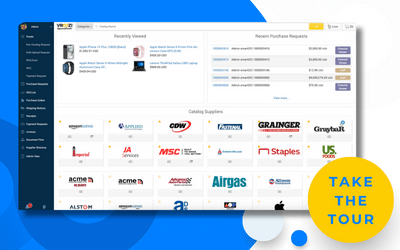
For example, Vroozi’s AI-powered procure-to-pay software helps organizations eliminate bottlenecks and improve the quality of data by providing real-time visibility across procurement activities and automating regular workflows such as invoice reconciliation and payment processing.
If you’re using multiple systems to run your business, synchronize your procurement data using native or API integrations to ensure all stakeholders have access to accurate and up-to-date information.
5. Develop contingency plans for common risks
Not all risks are avoidable or easily predicted. Establishing contingency plans and company policies will help you resolve issues quickly, reducing their potential impact on your business.
Model various scenarios for different risks and, if necessary, adjust your sourcing strategy to reduce the harm done should an issue arise. Document how each scenario ought to be handled, and be sure to educate new and existing staff on the correct procedures.
Establish clear communication channels for reporting problems and collaborate with your suppliers to ensure their contingency plans align with yours.
Read More: Overcoming the 5 Most Common Procurement Risks
6. Stay up-to-date with regulations and market changes
Monitor global market trends and regulatory changes to manage external procurement risks without unwelcome surprises. Be prepared to adjust your procurement policies as needed and communicate any policy changes to all relevant stakeholders.
Track your regulatory compliance by leveraging tools that enable you to stay compliant with domestic and international regulations. For example, Vroozi’s AP Invoice Automation feature helps you comply with tax and eInvoicing rules by connecting to mandatory governmental systems and integrating with tax engines for accurate tax calculation.
7. Prioritize financial risk management
Financial instability presents one of the greatest risks to any organization. Cash flow challenges and overspending can have cascading effects on your profitability, supply chain resilience, and operational efficiency.
Here are a few ways you can reduce the financial risk of your procurement processes:
- Track your budget and spending against forecasts. Regular monitoring of actual spending allows you to detect overspending early so you can quickly adjust purchasing decisions to better align with your budget restrictions.
- Enable greater visibility across payments, cash flow, and invoices. Implementing spend management software and other financial tools helps you achieve real-time financial visibility, reducing the risk of missed payments, late fees, and poor supplier performance.
- Hedge against currency fluctuations when sourcing globally. Currency fluctuations can lead to unexpected costs that skew the accuracy of your forecasts. Leverage forward contracts and currency swaps to establish more stable pricing and protect your profit margins.
- Consider insurance options for large purchases. Insurance policies help protect your organization against financial losses caused by damage, supplier bankruptcy, or lost items.
When approaching procurement risk management, it pays dividends to establish a system of continuous improvement. Regularly assess and tweak your strategies based on ongoing performance and external threats to ensure consistent mitigation of high-level risks.