In the rapidly evolving world of eProcurement, catalog management solutions are essential for organizations looking to streamline their procurement processes and drive business efficiency. However, several misconceptions persist about what catalog management entails and its value. Let’s dispel these myths and uncover the truth behind modern catalog management.
Myth #1 – Catalog Management is an IT Business
Many people believe catalog management is a highly technical process that belongs solely in the realm of IT. Historically, it required significant IT involvement to code and consolidate numerous data sources into a single repository. This led to the perception that catalog management was overly technical and inaccessible.
Truth #1 – Procurement Can Now Manage Its Own Catalogs
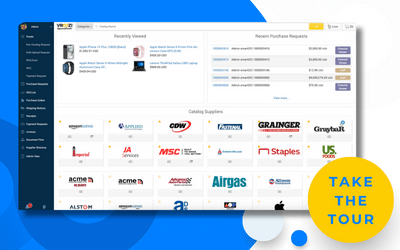
Thanks to advanced catalog management tools like Vroozi smartOCI, the process no longer requires coding skills. As long as you can fill out an Excel spreadsheet, you can import, approve, and publish catalogs effortlessly. This shift empowers procurement teams to manage and maintain catalogs without depending on IT, centralizing both business and technical knowledge within the procurement function.
Modern catalog management solutions are designed with user-friendly interfaces, allowing procurement professionals to take full control of the process. This democratization of catalog management not only speeds up the implementation but also ensures that the system remains up-to-date with minimal effort. By reducing reliance on IT, procurement teams can focus on strategic sourcing and supplier relationships, driving overall business efficiency.
Myth #2 – Servers Cannot Handle the Escalating Number of Items from Suppliers
A prevalent concern is that servers and hardware cannot manage the massive volume of supplier catalogs, deterring organizations from adopting catalog management solutions. This misconception stems from a time when on-premise server limitations were a significant barrier.
Truth #2 – Cloud Offers Scalability, Performance, and Fail-Over
Cloud computing has rendered these concerns obsolete. Cloud-based catalog management solutions, such as Vroozi’s platform, leverage the scalability and robustness of cloud infrastructure. Services like AWS provide the necessary storage, processing power, and security, ensuring high availability and fail-over support. This dynamic scalability means organizations never run out of server space, regardless of catalog growth, and benefit from enhanced security and compliance measures.
The move to cloud-based solutions also brings significant cost savings. Organizations no longer need to invest in expensive on-premise servers or worry about ongoing maintenance and upgrades. Instead, they can leverage the cloud’s pay-as-you-go model, scaling resources up or down based on demand. This flexibility is crucial for managing large and dynamic catalogs, ensuring that procurement processes remain efficient and responsive.
Myth #3 – Catalog Management is an Expensive Investment
Organizations often hesitate to adopt catalog management tools due to perceived high costs and complex pricing structures. Traditional platforms charge transaction fees, leading to hidden costs and budget uncertainties.
Truth #3 – Transparent Monthly Subscriptions Promote Business Clarity
Modern catalog management solutions like Vroozi offer transparent pricing models. Vroozi’s straightforward monthly per-user subscription fee for buy-side users, with no costs for suppliers, ensures predictability and affordability. Unlike other marketplaces that impose hidden fees, Vroozi’s all-inclusive membership fosters a transparent and active marketplace, enabling buyers and sellers to do business on their own terms.
This transparent pricing model eliminates the uncertainty and complexity associated with traditional pricing structures. Organizations can budget more effectively, knowing exactly what their monthly costs will be. Moreover, the absence of transaction fees encourages more active participation from suppliers, leading to a richer and more diverse marketplace. This inclusive approach fosters healthier business relationships and enhances overall procurement efficiency.
Myth #4 – Catalog Management is Only Used for Storing Products
Some view catalog management as merely archiving products in a digital format, similar to scanning and uploading from physical catalogs. This outdated perspective fails to recognize the dynamic capabilities of modern catalog management systems.
Truth #4 – Catalog Management Offers Strategic Flexibility and Organization
A robust catalog management system goes beyond storage, providing flexibility to organize products and services strategically. It accommodates requests based on quantity or amount, supporting various procurement needs. Effective catalog management solutions offer customizable fields, enabling procurement professionals to define service parameters easily and align the catalog with organizational requirements. This dynamic management enhances procurement efficiency and effectiveness.
In today’s business environment, procurement needs are diverse and complex. Catalog management systems must be able to handle a wide range of products and services, from standard office supplies to specialized consulting services. By offering features like hourly rate calculation, bundled pricing, and rate cards, modern catalog management solutions empower organizations to manage their entire procurement landscape with ease. This strategic flexibility ensures that procurement processes are not only efficient but also aligned with the organization’s broader business goals.
Myth #5 – Catalog Management Only Improves Catalog Data
While consolidating and organizing catalog data is a primary function, catalog management impacts much more than just the buying interface.
Truth #5 – Empower Employees with a Comprehensive Procurement Tool
Catalog management can significantly influence organizational behavior and efficiency. By establishing an accessible and pre-approved marketplace, employees at all levels can directly make purchase requests, fostering an entrepreneurial spirit. Automated approval processes expedite procurement, ensuring speed and accuracy. This empowerment cultivates a spend-conscious culture, driving cost savings and enhancing procurement practices across the organization.
Before implementing catalog solutions, organizations often restrict purchase requisition privileges to a few individuals, such as executive administrators, IT personnel, or designated buyers. This centralization means that other employees must request purchases through these gatekeepers, leading to delays and potential inaccuracies.
By decentralizing procurement and empowering employees, catalog management solutions like Vroozi smartOCI transform the procurement process. Employees can shop as they would in their personal lives, seeking the best value and competitive prices. This shift not only improves procurement efficiency but also drives cost savings across the organization. When employees spend the company’s money as they would their own, they are more likely to seek out acceptable prices, compare vendors, and find the best deals.
Embrace Modern Catalog Management
A greater understanding of catalog management solutions can enhance an organization’s overall business competence. By dispelling these myths, we present a robust, easy-to-use catalog management solution for developing your own eProcurement marketplace. The industry-leading Vroozi smartOCI platform empowers organizations to elevate their business operations, with seamless integration, scalability, and enhanced procurement capabilities.
Vroozi smartOCI is trusted by numerous Fortune 500 companies across various industries, including manufacturing, aerospace, healthcare, and entertainment. Its seamless integration with major ERP systems such as SAP, Oracle, PeopleSoft, NetSuite, IBM, and JD Edwards ensures that organizations can leverage their existing infrastructure while benefiting from the advanced capabilities of the platform.
Ready for Better Catalog Management?
Schedule a Vroozi demo today to transform your procurement process and unlock new levels of efficiency and savings.